Do people really hate ads?
Look at what you subscribe to. Spotify Premium, YouTube Premium, Netflix instead of cable TV — in large part you’re paying to not see ads. That is the clearest market signal there is.
It’s the reason I named my agency People Hate Ads*. The goal isn’t to push harder; it’s to make something people choose to watch.
What should marketing offer instead?
With a flood of content available at our fingertips, creators have to bring value or entertainment. Content that does neither loses people instantly. Content that does keeps them coming back, builds your reputation as an expert and, eventually, builds a community that spreads your work for you.
Why will marketing become content-first?
Consumers are good at filtering out traditional advertising. Content marketing reaches people more organically and authentically: it gives them something useful or interesting instead of a sales pitch, building trust and credibility that eventually lead to sales and loyalty.
AI and automation make producing and distributing content at scale cheaper, so this approach is open to businesses of every size.
Why do micro-influencers and UGC keep growing?
Micro-influencers have smaller but highly engaged followings and are seen as more relatable than celebrities. User-generated content (UGC) — photos, videos and reviews made by real people — feels more trustworthy than brand-made material and builds a sense of community around a brand. Expect both to become even more central as audiences get more discerning.
Why is short-form video the best-performing format?
- Attention: people’s attention is under constant pressure from notifications, so shorter videos are more likely to be watched.
- Convenience: you can watch them anywhere, with no commitment.
- Social platforms: short videos suit feeds, get shared and gather views.
- Mobile: they’re made for phones, how most people access the internet.
- Algorithms: TikTok’s growth pushed other platforms to promote short video too.
How do I start creating content?
- Know your audience and what they’re looking for.
- Pick a topic and research it so what you say is accurate and useful.
- Plan: write a rough outline or script for a short video.
- Film and edit: do a few takes, cut the footage, add music or graphics.
- Proofread captions and on-screen text.
- Publish on Instagram Reels, YouTube Shorts and TikTok, where short video is promoted.
Keep improving each time. Creating content is now a core skill for businesses and individuals alike.
The rule: don’t sell, entertain
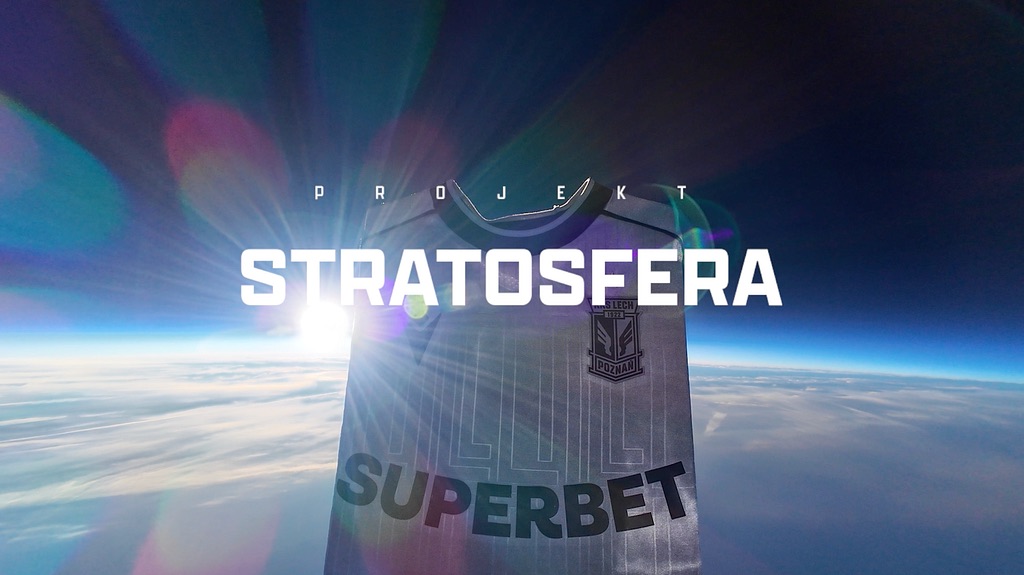
People are tired of traditional advertising and respond to what feels authentic. Whether you run a company or a personal brand, start making content that gives people a reason to care. For an example of how far a story can travel without an ad budget, read how we sent a football jersey to the stratosphere.
Quick answers
Why do people hate ads?
Ads interrupt what people want to do. Many pay for Spotify Premium, YouTube Premium or streaming services specifically to avoid them.
What is UGC and why does it matter?
User-generated content is made by real people — reviews, photos, videos. It tends to feel more authentic than brand content and helps build community.
Which platforms favour short-form video?
TikTok, Instagram Reels and YouTube Shorts all promote short videos in their feeds.